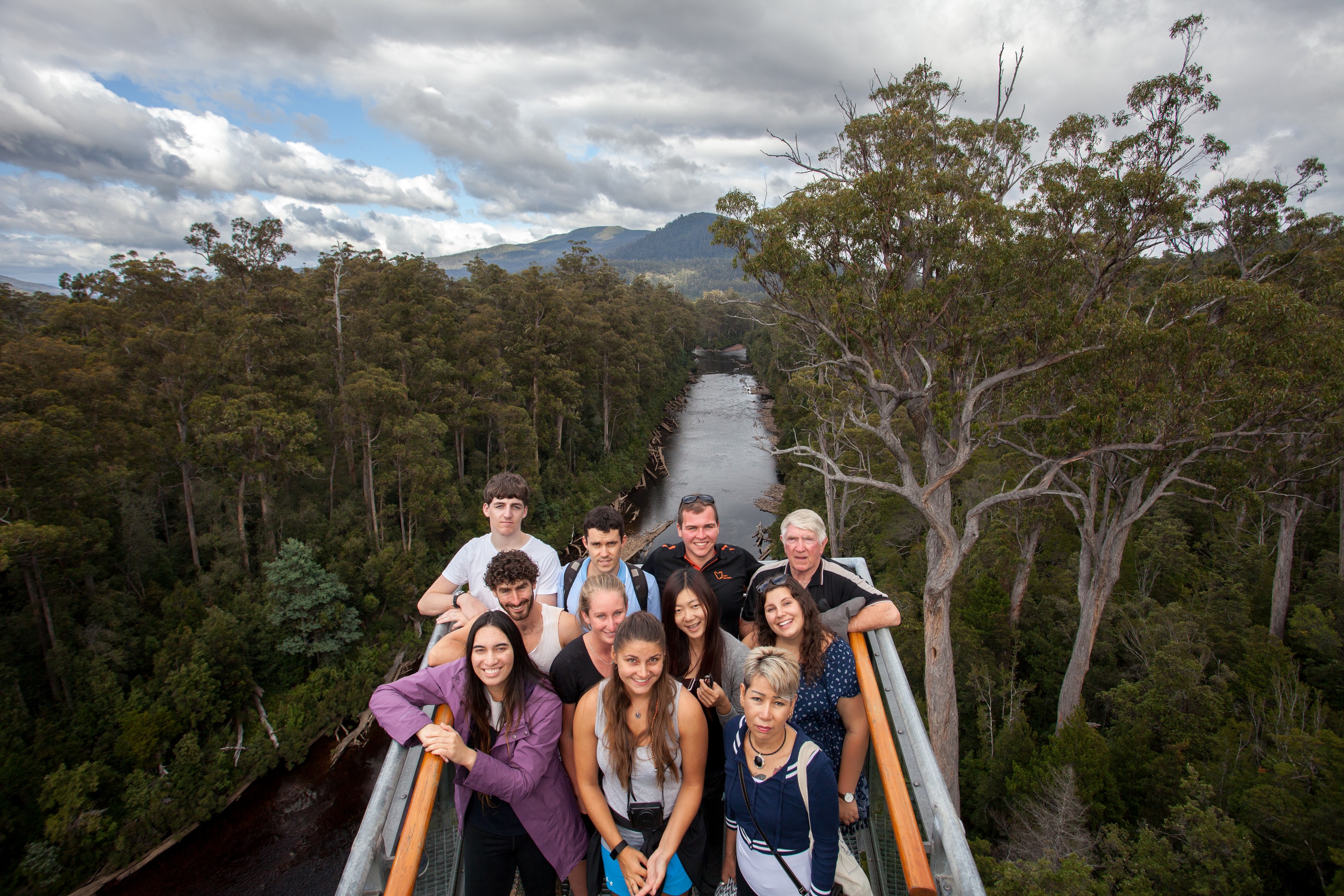
Learn About Tasmania
Tasmania is a wild island state of Australia known for pristine wilderness, the thought-provoking MONA museum, Cradle Mountain, some of the cleanest air in the world, Tasmanian devils, and beautifully preserved heritage convict sites. Travelers can combine Freycinet's pink granite peaks and Wineglass Bay with the Bay of Fires, cool-climate spirit production, coastal drives, and hikes through ancient forests and alpine landscapes.
Best Time to Visit Tasmania
The best time to visit Tasmania is from December through February, when summer brings the warmest weather, longer daylight, and the most reliable conditions for hiking and road trips. This is also the busiest period, especially around Hobart, Freycinet National Park, and Cradle Mountain, so reserve accommodation and popular Tasmania tours early. Summer daytime temperatures are often comfortable rather than hot, but mountain weather can change quickly.
Tasmania Travel Itinerary
A 7-10 day Tasmania travel itinerary works well as a loop from Hobart, linking the island's main cultural, coastal, and wilderness highlights. The route below suits travelers who want a balanced first visit, with flexibility to add rest days or longer hikes.
Day 1: Arrive in Hobart
Begin in Hobart, Tasmania's compact waterfront capital. Walk Salamanca Place and Battery Point, browse the harbor, and spend time at MONA if contemporary art and unusual exhibitions appeal to you. A guided city tour can help introduce local history, food, and the island's creative culture without requiring a car on the first day.
Day 2: Hobart and Mount Wellington
Take a morning trip up Kunanyi / Mount Wellington for wide views over Hobart, the Derwent River, and the surrounding ranges. In the afternoon, visit the Tasmanian Museum and Art Gallery or explore the farm gates and restaurants around the city. If you enjoy food and drink, allow time for Tasmanian wine, gin, whisky, or craft beer made with local produce and cool-climate water.
Day 3: Port Arthur and the Tasman Peninsula
Drive southeast to the Tasman Peninsula and visit the Port Arthur Historic Site, one of Australia's most important convict heritage places. Plan several hours for the preserved buildings, harbor cruise, gardens, and stories of the penal settlement. Continue to the Tasman Arch, Devil's Kitchen, or a coastal lookout before returning to Hobart or staying near the peninsula.
Day 4: Hobart to Freycinet National Park
Travel northeast through farmland and coastal towns to Freycinet National Park. The Wineglass Bay lookout is the classic introduction, with a moderate uphill walk rewarding you with a view of the curved beach and turquoise water. Add a longer walk toward Wineglass Bay Beach or relax around Coles Bay, where sunrise and sunset are especially photogenic.
Day 5: Freycinet to the Bay of Fires
Continue north to the Bay of Fires, a long stretch of beaches, orange lichen-covered granite, and clear water near St Helens and Binalong Bay. Allow time for short coastal walks, swimming in calm conditions, or a seafood lunch. This section is best enjoyed at an unhurried pace; add a night here if your trip can extend to 10 days.
Day 6: Launceston and the Tamar Valley
Head west toward Launceston, Tasmania's elegant northern city. Explore Cataract Gorge, the city center, and nearby cellar doors in the Tamar Valley. Launceston makes a useful overnight stop between the east coast and the central or western wilderness, and food-focused Tasmania tours often use the region's vineyards, farms, and restaurants as highlights.
Day 7: Launceston to Cradle Mountain
Drive into the island's mountainous interior and settle near Cradle Mountain-Lake St Clair National Park. Choose a short Dove Lake circuit or another marked walk based on weather and fitness. The landscape changes dramatically here, from dry east-coast beaches to glacial lakes, button grass, rainforest, and rugged peaks.
Day 8: Cradle Mountain to Strahan
Spend more time on Cradle Mountain trails in the morning, then travel west through remote forest to Strahan. This small harbor town is the gateway to the Franklin-Gordon Wild Rivers National Park and the wild west coast. A Gordon River cruise is a memorable way to see reflective water, rainforest, and the legacy of the region's logging history.
Day 9-10: Return to Hobart
Return to Hobart via Queenstown, Lake St Clair, or the Derwent Valley, depending on road conditions and interests. A 10-day version can add a full day in the Huon Valley, Bruny Island, or Hobart for galleries and dining. Travelers with only seven days can combine Days 9-10 into a longer transfer day, while guided Tasmania tours can simplify the logistics across these long distances. Top Cities Attractions in Tasmania
Tasmania, Australia, attractions range from cultural museums and convict history to national parks, beaches, and mountain trails. The following cities and places cover the main priorities for a first trip.
Top Cities to Visit in Tasmania
Hobart is the essential starting point for galleries, historic neighborhoods, waterfront dining, MONA, and access to Mount Wellington, Port Arthur, and Bruny Island.
Launceston combines heritage architecture, Cataract Gorge, and the Tamar Valley's food and wine experiences, making it a practical northern base.
Devonport is the arrival point for many travelers using the Spirit of Tasmania ferry and provides access to the north coast, rural produce, and short drives toward the central highlands.
Strahan is smaller and more atmospheric, with a harbor setting, rainforest excursions, and cruises into the Gordon River wilderness.
Top Attractions in Tasmania
MONA in Hobart is a bold, immersive museum that can occupy half a day or more; book ferry or entry arrangements ahead during busy periods.
Cradle Mountain offers Tasmania's signature alpine scenery and walks ranging from accessible lakeside paths to demanding summit routes.
Freycinet National Park and Wineglass Bay combine lookout views, beaches, and coastal hiking. Port Arthur brings convict-era history to life through ruins, buildings, interpretation, and a harbor cruise.
The Bay of Fires is ideal for beaches, photography, and relaxed coastal walking. Mount Wellington, close to Hobart, provides one of the easiest ways to see the scale of the island, although cloud and snow can appear even when the city is mild. Tasmania Transportation
Transportation in Tasmania is straightforward once you choose between arriving by ferry, flying, or building the trip around a rental car and guided excursions.
Spirit of Tasmania Ferry
The Spirit of Tasmania connects Geelong in Victoria with Devonport on Tasmania's north coast and is useful for travelers who want to bring a car. The overnight crossing can preserve daytime sightseeing hours, but sailing times, vehicle space, and cabin availability vary. From Devonport, allow realistic driving time to Launceston, Cradle Mountain, Hobart, or the east coast rather than treating the island as a short-distance destination.
Flights and Driving
Flights from mainland Australian cities arrive primarily at Hobart, Launceston, and Devonport. Hobart is the most convenient gateway for a south-focused itinerary, while Launceston works well for the north and east coast. Driving offers the most flexibility for Freycinet, the Bay of Fires, Cradle Mountain, and small towns, but distances are longer than the map may suggest, and roads can be winding or slow in wilderness areas. Guided Tasmania tours are a strong alternative for travelers who want local interpretation, scheduled transfers, and fewer navigation decisions.
Practical Advice for Tasmania Tours
Book summer accommodation, ferry cabins, popular cruises, and MONA tickets well ahead. Download maps and reservation details before leaving larger towns because mobile coverage is limited in some national parks and remote roads. Keep fuel topped up before long drives, avoid rushing at dusk when wildlife is active, and follow park rules around fires, food, and walking tracks. Respect Aboriginal cultural heritage and conservation guidance, especially in protected areas.


 10 Results